


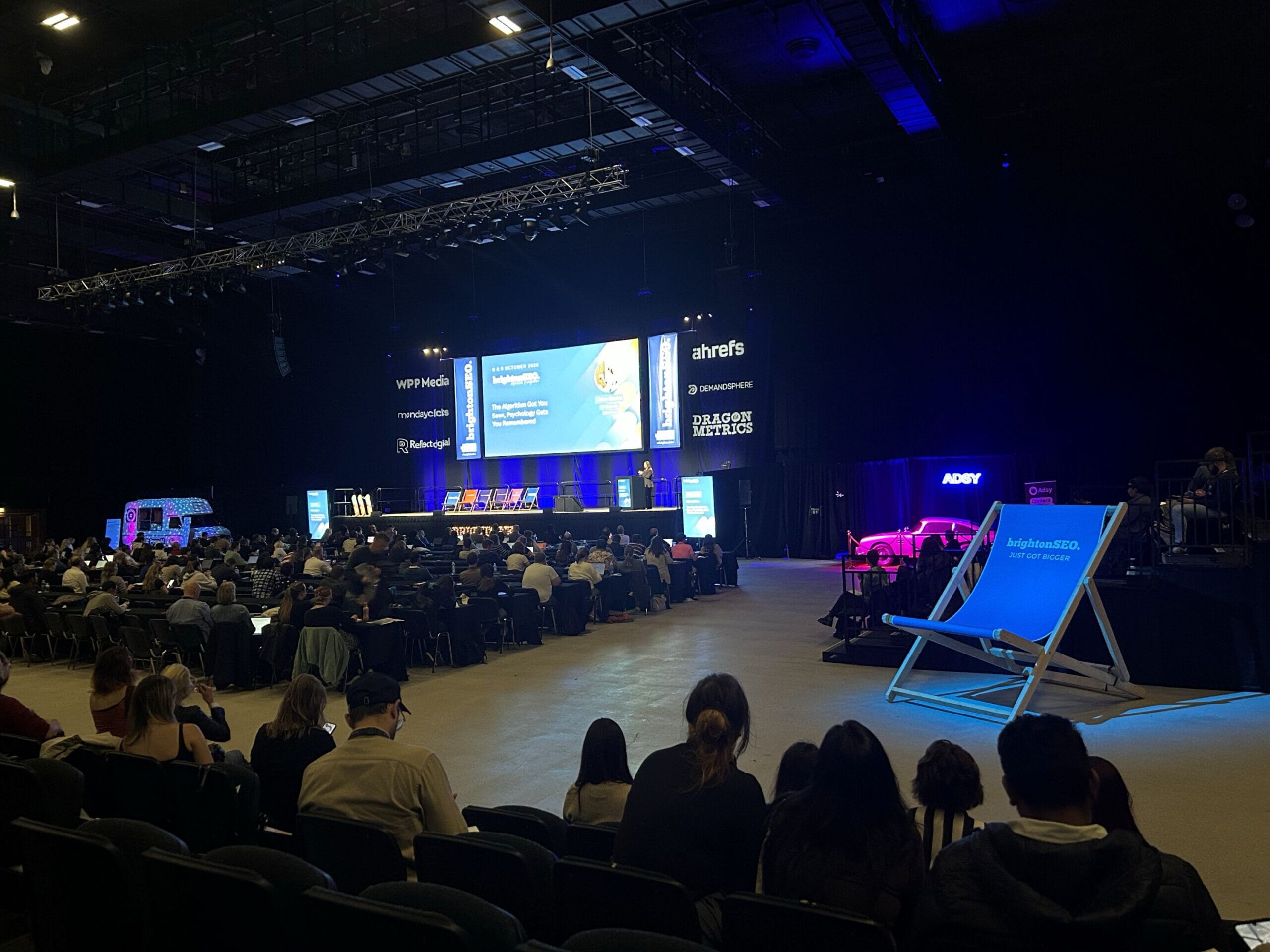

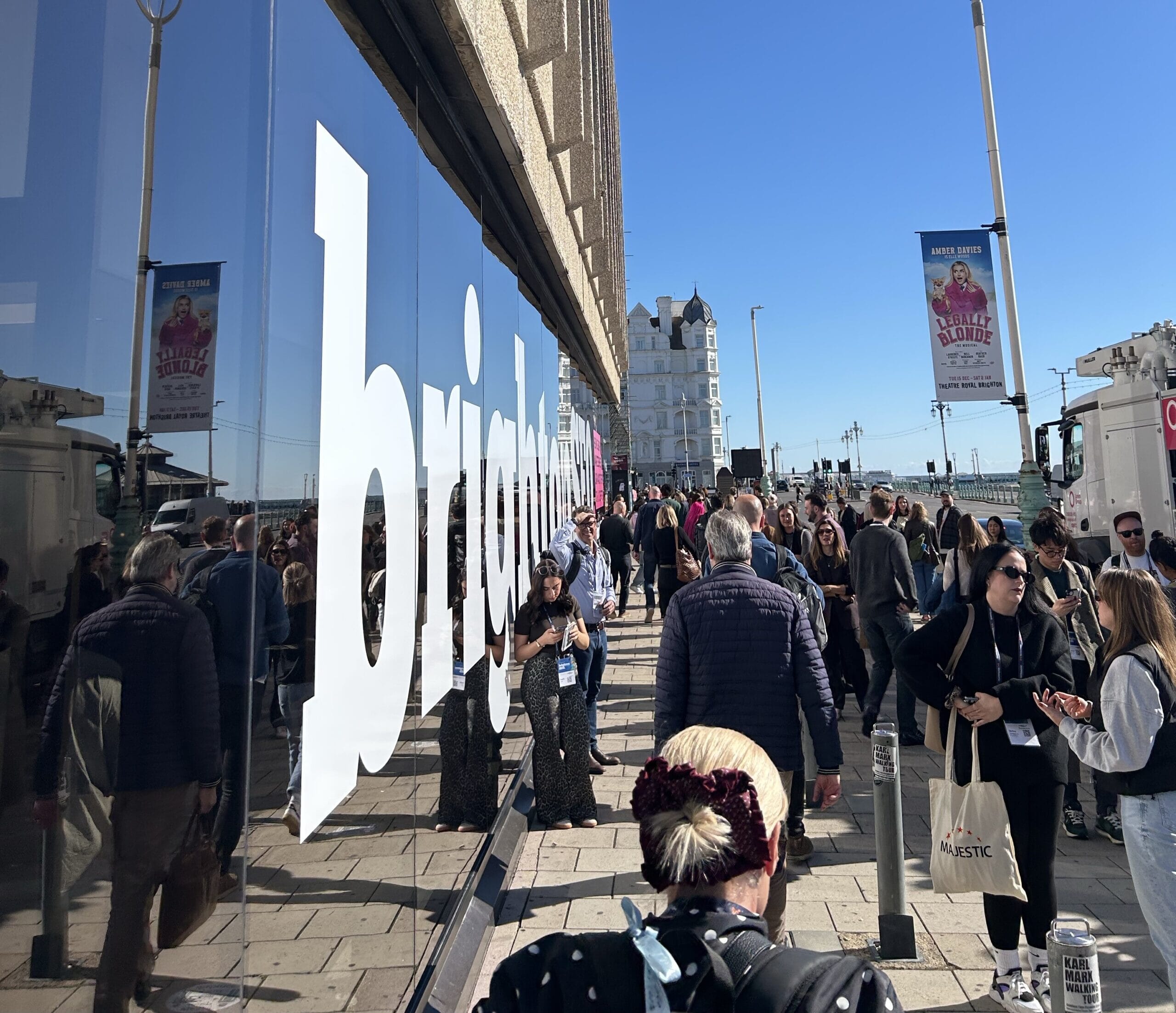
We’re back from another great edition of brightonSEO. And honestly, we’re feeling quite excited about the future of search.
Our Organic Search Lead, Ben, breaks down his key takeaways from this autumn’s event…

Date
Oct 13, 2026
Read Time
min read
Category
Digital PRWe’re back from another great edition of brightonSEO. And honestly, we’re feeling quite excited about the future of search.
Our Organic Search Lead, Ben, breaks down his key takeaways from this autumn’s event…
This was the core takeaway from the whole event for me. And it was so rewarding to see our thinking here at Energy PR reflected across the industry.
Your brand positioning and reputation are critical for AI search. Don’t hinge your strategy on traditional targets like traffic or links, and don’t focus on quick, tactical moves like llms.txt or self-promotional listicles. Focus on who your organisation is, what you do, who you do it for and what makes you different. Then build your brand’s reputation around this with positive, consistent external validation.
Jean Dejsuvan’s session on getting your brand recommended by agents (the first of the whole event for me) was particularly good on this. She shared a great visual on the shift from helpful content to helpful product. Plus a brilliant question that, to be honest, I think every senior marketer should be asking themselves:
“If you removed your brand’s website today, would AI have enough positive, external information and validation to recommend you?”
If the answer’s no, you’ve got a big, big problem.
Alongside AI search visibility, you need to understand how your audience makes the decisions that your business revenue relies on.
How does your audience engage with the search results? What do they need to see to choose your brand? How does their buying language align with how you show up? How do you address their feelings and concerns?
We need to ensure that audience-first, behaviour-led thinking flows through everything we do. Across search and beyond.
People-led marketing was a key part of this autumn’s event. Highlights on this for me were Katie Mishner’s talk on the importance of empathy in search and marketing, Jess Atkinson’s insights on shifting from ‘what people search’ to ‘how they search’, and Giulia Panozzo’s neuroscience-led thinking around “decision distance” (one of my favourites from the whole event – definitely one to watch when the recordings come out).
Another key theme was the importance of original thinking. New, unique information, data and insights that don’t already exist are gold dust for AI search.
So speak to your subject matter experts. Analyse your business-owned data. Transcribe your calls and meetings. Most companies are sitting on a wealth of proprietary knowledge that could add massive value to how they perform in search. So use it.
As is now the norm, AI-generated content popped up throughout this brightonSEO. And while it was good to see a fair few sessions standing against it, a lot of people (many of whom work at companies that sell AI-generated content tools…) advocated for automating your content creation. Which I really just can’t get behind.
Now yes, I appreciate that you can create a very complex, multi-stage AI workflow that integrates your writing style, TOV, knowledge etc and produces half-decent content, at scale. But no matter how complex your setup is, I refuse to believe that this can reliably match the value of genuine expert opinions and perspectives.
If anything, it sounds far more time-intensive to create these workflows and update the content than it would to just get an expert to write it themselves. Maybe you could get some return if you’re a massive enterprise and want to create a huge amount of content. But as we’ve seen, scaling AI-generated content at scale is generally a one-way ticket to search penalties (example below). So why risk it?
I was astounded at how many paid link building companies still had stands at the exhibition. I really thought the search industry has moved beyond paid links, but it appears that they’re still hanging on.
If you’re paying £1000 for a link from a news site in 2026, please consider speaking to a PR agency instead. Digital PR provides all the same benefits and so much more besides.
Get 30 years of exceptional PR expertise. On tap.